
Introduction
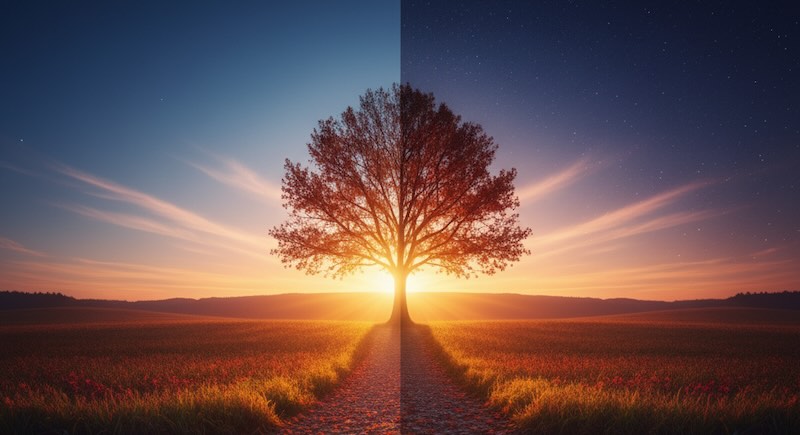
The autumnal equinox occurs on Monday, marking the transition into fall for the Northern Hemisphere and spring for the Southern Hemisphere. This event is characterized by nearly equal day and night lengths across the globe.
Key Features of the Equinox
Sun Position: At noon on the equinox, the sun is directly overhead at the equator.
Sunlight Distribution: Equinoxes are unique as they are the only times when both the North and South Poles receive sunlight simultaneously.
Daylight Changes: Following the equinox, the Northern Hemisphere will experience diminishing daylight until the winter solstice on December 21.
Cultural Significance
Harvest Festivals: The fall equinox is historically associated with harvest celebrations. For instance:Dozynki: A harvest festival in Poland and Eastern Europe linked to the equinox.
Mayan Traditions: At Chichen Itza in Mexico, gatherings occur to witness a shadow pattern resembling a serpent during the equinox.
Lunar Eclipse: This year, regions such as Antarctica, New Zealand, and parts of Australia may observe a partial lunar eclipse coinciding with the equinox.
Understanding the Equinox
Earth’s Orbit: The Earth orbits the sun at an angle, causing varying sunlight distribution throughout the year. The equinox occurs when the Earth’s axis aligns with its orbit, resulting in equal sunlight for both hemispheres.
Etymology: The term “equinox” derives from Latin, meaning “equal night,” reflecting the nearly equal duration of day and night.
Timing of the Equinox
The Northern Hemisphere’s fall equinox can occur between September 21 and 24, while the spring equinox (vernal) is between March 19 and 21.
Solstices vs. Equinoxes
Solstices: These mark the extremes of sunlight distribution:Summer Solstice: Occurs between June 20 and 22, when the Northern Hemisphere is tilted towards the sun, resulting in the longest day.
Winter Solstice: Occurs between December 20 and 23, when the Northern Hemisphere is tilted away from the sun, leading to the shortest day.
Meteorological Seasons
Unlike astronomical seasons, which are based on the Earth’s position relative to the sun, meteorological seasons are defined by temperature cycles:Spring: March 1
Summer: June 1
Fall: September 1
Winter: December 1
Conclusion
The autumnal equinox is a significant astronomical event that not only marks a change in seasons but also holds cultural importance across various societies. It serves as a reminder of the Earth’s dynamic relationship with the sun and the cyclical nature of time.

Wear your love for country with pride with these American flag hats for men and women. The front of this USA hat.